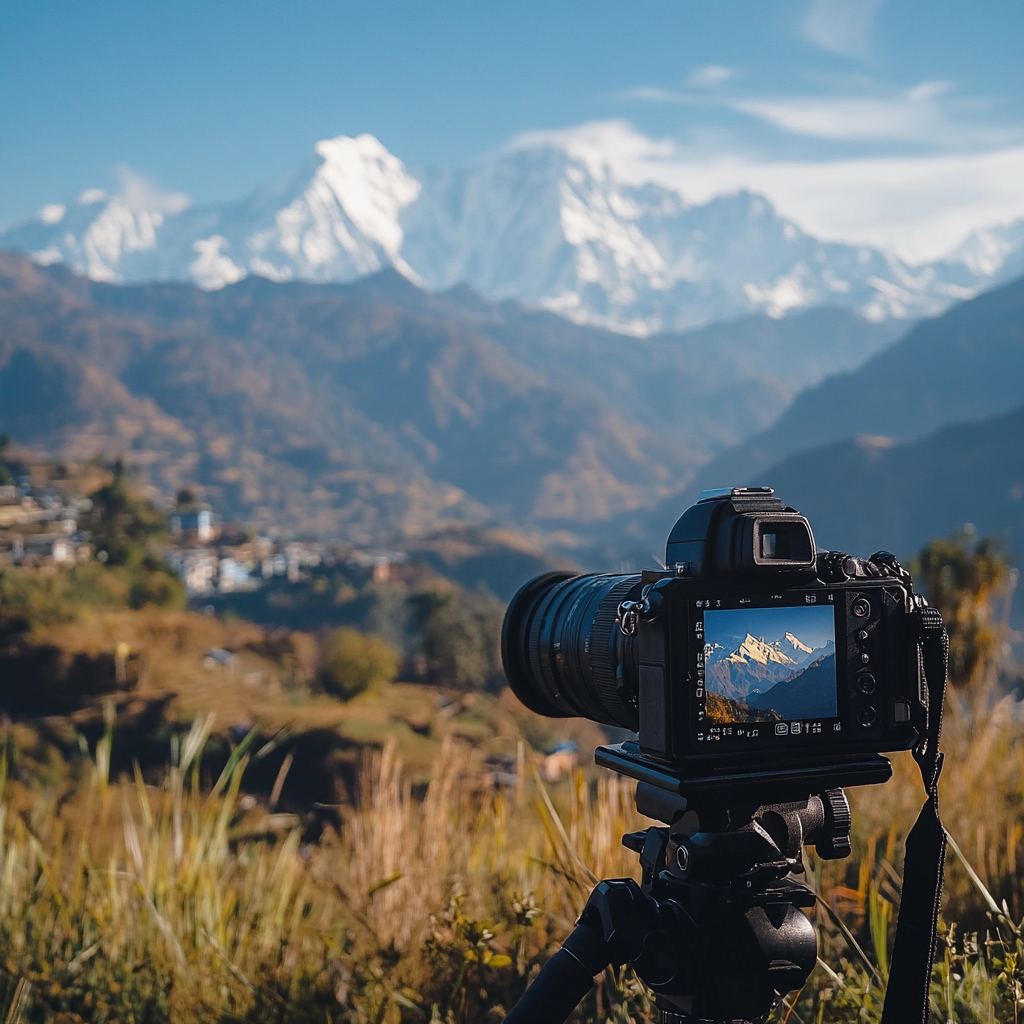
Film criticism plays a vital role in shaping public perception and guiding audience choices, and in Nepal, it is gaining prominence as the country’s film industry expands. With the rise of digital platforms, social media, and a growing appetite for diverse content, film critics in Nepal are becoming key players in the entertainment ecosystem. However, the field of film criticism in Nepal is still evolving, with opportunities and challenges shaping its future.
The Role of Film Critics in Nepal
In a developing film industry like Nepal’s, film critics serve as the bridge between filmmakers and audiences. They provide insights into the technical, artistic, and narrative elements of a film, helping viewers appreciate the nuances of Nepali cinema. Critics are not just there to offer their personal opinions; they evaluate movies from multiple perspectives, including direction, acting, cinematography, and cultural relevance. Their analysis can elevate a movie’s reputation or, conversely, point out its shortcomings.
Nepali critics have started to influence the commercial success of films, especially in a market where word-of-mouth is still a significant factor in a movie’s box-office performance. Positive reviews from respected critics can boost a film’s audience turnout, while a negative review may prompt filmmakers to rethink their creative approach. As Nepal’s cinema industry is still in its growing phase, criticism can act as constructive feedback for filmmakers who are experimenting with new genres and storytelling techniques.
The Current State of Film Criticism
In Nepal, film criticism has traditionally been limited to print media, with newspapers and magazines hosting sections dedicated to movie reviews. However, with the rise of digital journalism, bloggers, and YouTube channels, film criticism has gained new platforms. Websites like Thuloparda and Mero Cinema provide in-depth reviews and analysis, while YouTube reviewers such as Mazzako TV and Nepali Reel offer dynamic video critiques.
Social media has also enabled fans and critics to interact, creating a dialogue around the latest releases. This democratization of criticism has both positive and negative aspects. On the one hand, it allows a wider range of voices to be heard, making the criticism landscape more diverse. On the other hand, it can sometimes lead to polarized opinions or uninformed critiques that do not adhere to journalistic standards.
Challenges Faced by Film Critics
Despite the growing presence of film criticism in Nepal, there are challenges that hinder the field’s development. One major issue is the lack of formal training or platforms for aspiring critics. Most film reviewers in Nepal are self-taught, and there are few academic programs or workshops that focus on critical writing. This results in a lack of uniformity in the quality of reviews, with some critics focusing solely on entertainment value while others provide more in-depth analysis.
Moreover, there is often pressure from filmmakers and production houses to provide favorable reviews. Given the close-knit nature of the Nepali film industry, critics may hesitate to offer negative feedback for fear of damaging relationships or being cut off from access to future releases. This creates a conflict of interest and can compromise the integrity of film criticism in Nepal.
Another challenge is the limited exposure of Nepali films. Many movies are produced on small budgets, and their marketing reach is often restricted. This affects how widely a film is reviewed and discussed, both in mainstream media and online platforms. Critics, therefore, often have to focus on the most commercially viable films, leaving independent or regional cinema underrepresented.
The Future of Film Criticism in Nepal
The future of film criticism in Nepal looks promising with the continuous expansion of the Nepali cinema industry and the increasing importance of digital platforms. More structured and professional platforms for criticism are emerging, providing both experienced and novice critics a space to voice their opinions. Furthermore, with Nepali filmmakers exploring a wider variety of genres, from historical dramas to experimental cinema, there is a growing need for educated and thoughtful critiques.
As the film industry matures, it is likely that critics will play a more significant role in shaping its direction. They have the potential to become not only commentators but also curators of Nepali cinema, helping audiences discover new films and encouraging filmmakers to push creative boundaries. With the right support—such as training, journalistic freedom, and professional standards film criticism in Nepal could become a vibrant and influential part of the cultural landscape.
Film criticism in Nepal is evolving, fueled by the growth of the Nepali film industry and the rise of digital media. Critics are starting to have a greater influence on both filmmakers and audiences, providing valuable insights and raising the standard of Nepali cinema. However, challenges such as a lack of formal training and pressure from the industry must be addressed to ensure the field continues to grow in a constructive and professional manner. If nurtured properly, film criticism in Nepal could play a pivotal role in shaping the future of its cinema, making it more diverse, dynamic, and globally competitive.