The First Nepali Movie ( Film) : Harishchandra (1951)
The history of Nepali cinema began not in Nepal but in India, with the release of Harishchandra (also known as Satya Harischandra) in 1951. Based on the legendary story of King Harishchandra from Hindu mythology, this film marked a significant milestone by being the first Nepali movie ever produced. Directed by Sangh Rathi and produced under the “Bihar National Movietone” banner by T. P. Chaurasia and S. P. Mookherji, it was a monumental achievement driven by D. B. Pariyar, a key figure in this endeavor. The production took place in Kolkata and Darjeeling, highlighting the importance of cinema in preserving and promoting the Nepali language.
Despite its cultural significance, Harishchandra did not receive the detailed historical documentation it deserved. At that time, the primary focus was on introducing the Nepali language to the silver screen, which led to some important technical credits being overlooked. The film is now considered lost, with only a poster resurfacing in 2015 to testify to its existence. It remains an essential chapter in the development of Nepali-language films.
Not Made in Nepal
Interestingly, Harishchandra was not made in Nepal, nor was it directed or produced by Nepali filmmakers. Instead, it was an Indian production, created by individuals who recognized the importance of bringing the Nepali language to cinema. The film’s creation in Kolkata and Darjeeling reflects the cross-border cultural ties between India and Nepal, especially in areas with significant Nepali-speaking populations. The film’s Indian origins underscore the role of the Nepali diaspora in preserving their language and culture through artistic mediums, a theme that resonates throughout the history of Nepali cinema. It was not until 1964 that Nepal itself produced its first Nepali-language film, Aama, a project initiated by the Nepalese government.
The journey of Harishchandra exemplifies how cultural preservation and artistic expression can transcend borders, making it a foundational piece in the history of Nepali-language cinema.
The First Nepali Movie Made in Nepal: Aama (1964)
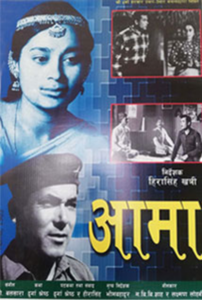
While Harishchandra paved the way for first Nepali Movie , it wasn’t until 1964 that Nepal itself produced its first Nepali film. Aama, meaning “Mother,” holds the distinction of being the first Nepali-language film made in Nepal, under the initiative of the Nepalese government. Directed by Hira Singh Khatri and produced by the Department of Publicity, Aama was more than just a film; it was a state-sponsored cultural project aimed at promoting national identity and unity.
Set in a rural backdrop,*Aama tells the heartfelt story of a young man who leaves his mother behind to join the army, and later returns to take care of her. The film’s theme struck a deep emotional chord with the audience, as it resonated with Nepalese values of familial loyalty, respect for elders, and service to the nation. Despite being a modest production, Aama laid the foundation for the Nepali film industry by demonstrating that stories deeply rooted in local culture and language could captivate audiences.
Harishchandra may have introduced Nepali to the big screen, but Aama was the first to establish a genuine Nepali film industry. It marked the beginning of cinema in Nepal as a tool for both entertainment and nation-building, a tradition that continues to shape the industry today.
The journey of Nepali-language cinema began with Harishchandra in 1951, a film made outside Nepal that primarily focused on giving the Nepali language a platform in cinema. Though it wasn’t produced by Nepali filmmakers or made within the country’s borders, it was a groundbreaking moment for Nepali speakers and their cultural representation in film. The subsequent release of Aama in 1964 marked a true milestone in Nepali cinema history, as it was the first film made entirely in Nepal, embodying the essence of the country’s culture, values, and storytelling.
These two films laid the foundation for what is today a vibrant and diverse Nepali film industry. From their humble beginnings, Nepali-language films have grown to reflect the rich cultural tapestry of the nation, bridging tradition with modern narratives. Both Harishchandra and Aama serve as significant milestones, symbolizing the early struggles and triumphs of Nepali cinema on its journey toward establishing a unique and authentic identity in the world of film